
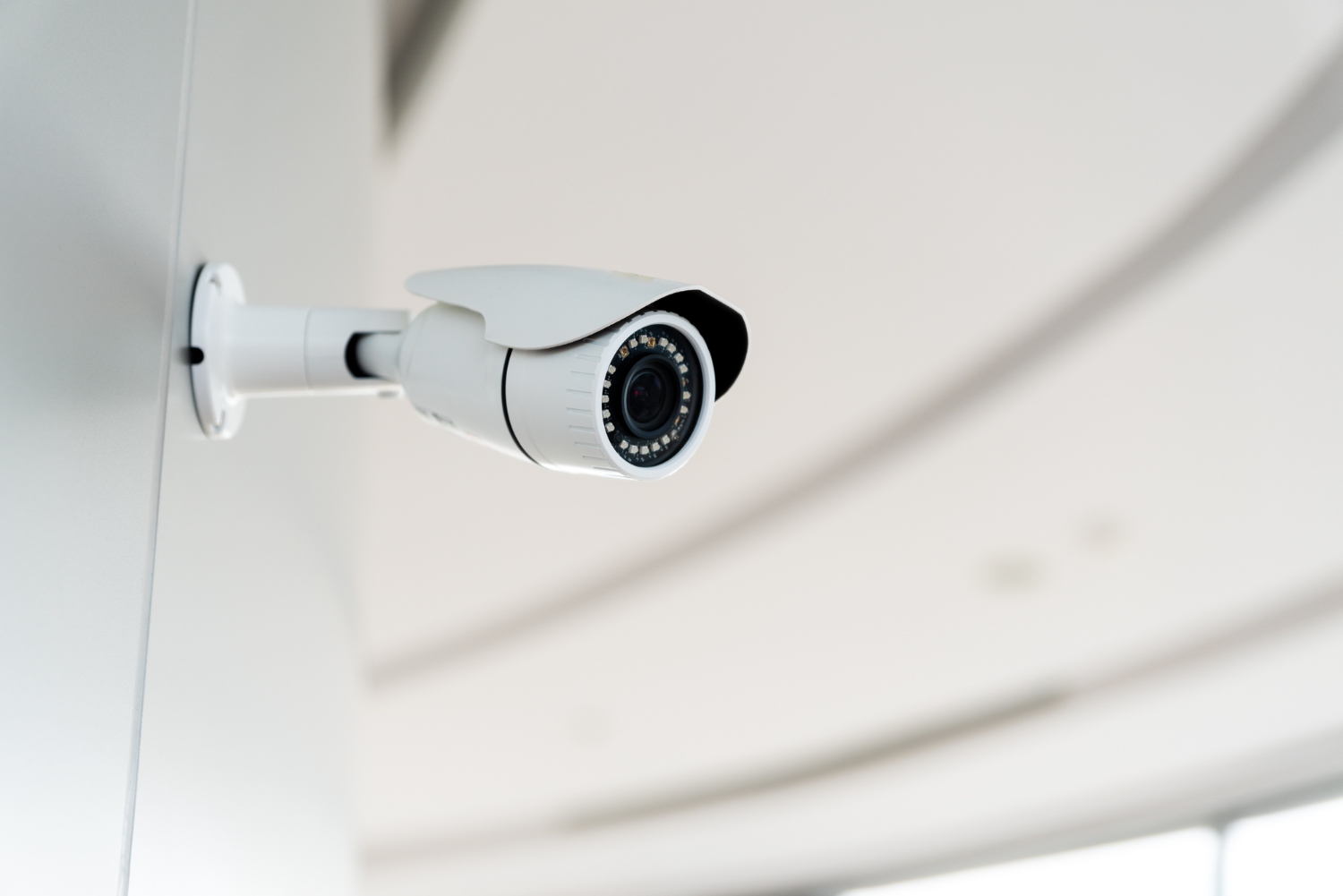
Video surveillance systems are extremely useful for both home and business. They provide peace of mind, protection and control over the protected areas. But how to choose the right video surveillance camera? In this article, we will look at the main factors you should consider when choosing.
1. Camera type
There are different types of cameras available on the market, the most common being:
- Dome cameras – suitable for indoor and outdoor installation, with elegant design and wide viewing angle.
- Bullet cameras – longer and with better protection against weather influences, suitable for outdoor conditions.
- PTZ (panoramic) cameras – offer the ability to rotate, tilt and zoom the image, which allows monitoring of large areas.
- Hidden cameras – discreet devices that are used for undetected surveillance.
2. Image resolution and quality
Resolution determines the detail of the image. Cameras with higher resolutions provide clearer footage. Popular resolutions include:
- HD (720p) – good enough for basic observation.
- Full HD (1080p) – offers better quality and detail.
- 4K Ultra HD – provides extremely detailed images, but requires more storage space.
3. Night vision
If nighttime surveillance is required, choose a camera with infrared (IR) LED sensors or low-light sensors. These allow for clear footage even in dark conditions.
4. Connectivity – wired or wireless?
- Cable cameras – provide a stable connection and are less vulnerable to interference, but require more complex installation.
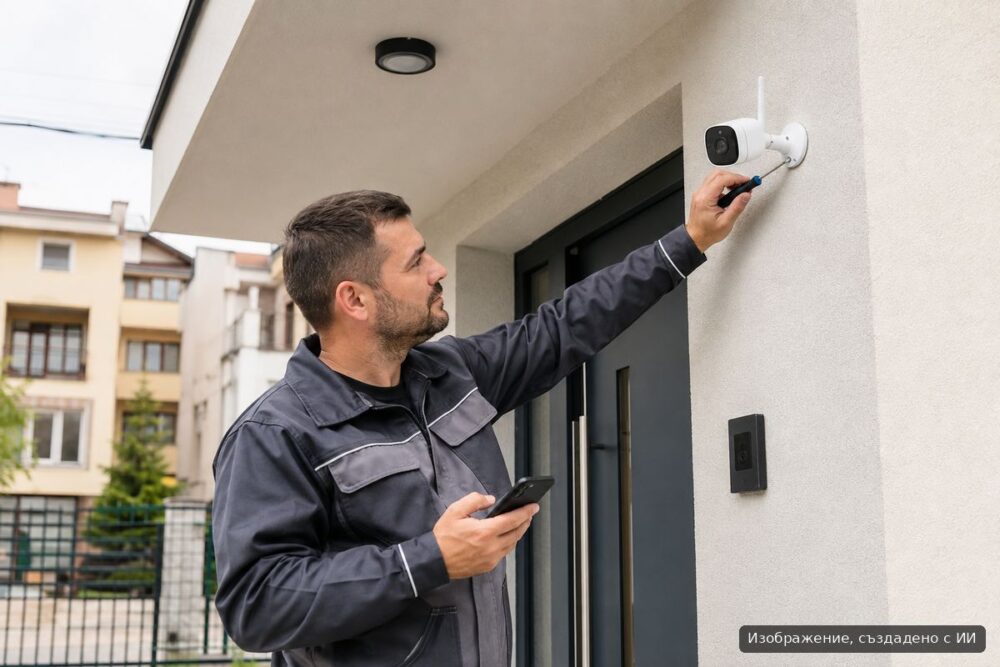
- Wireless cameras – easy to install and suitable for home use, but can be affected by network interference.
5. Angle of view
Cameras with a wider viewing angle cover a larger area. If you want to monitor a large area, choose a camera with a wide-angle lens.
6. Data recording and storage
Video frames can be stored in several ways:
- Local (on SD card or hard drive) – an independent system, but with limited storage space.
- In the cloud – access to recordings from anywhere, but may require a subscription.
- NVR/DVR systems – used for centralized storage of records.
7. Additional features
Modern cameras offer various smart features such as:
- Motion detection – notifications when motion is detected.
- Face recognition – distinguishes people from objects.
- Two-way audio connection – allows communication via the camera.
- Smart device compatibility – integration with smartphones and voice assistants.
Conclusion
Choosing a video surveillance camera depends on your specific needs – installation location, resolution requirements, recording method and additional features. Invest in a reliable system that will provide peace of mind and security for your home or business.


Leave a Comment
Your email address will not be published. Required fields are marked *
You must be logged in to post a comment.